Step 1 of 6
Sample
Any fluid, taken where it matters — on the vessel, at the line, in the field. No reagents, no pretreatment, no skilled operator.
Each new sample type widens the reference space the platform can recognise.

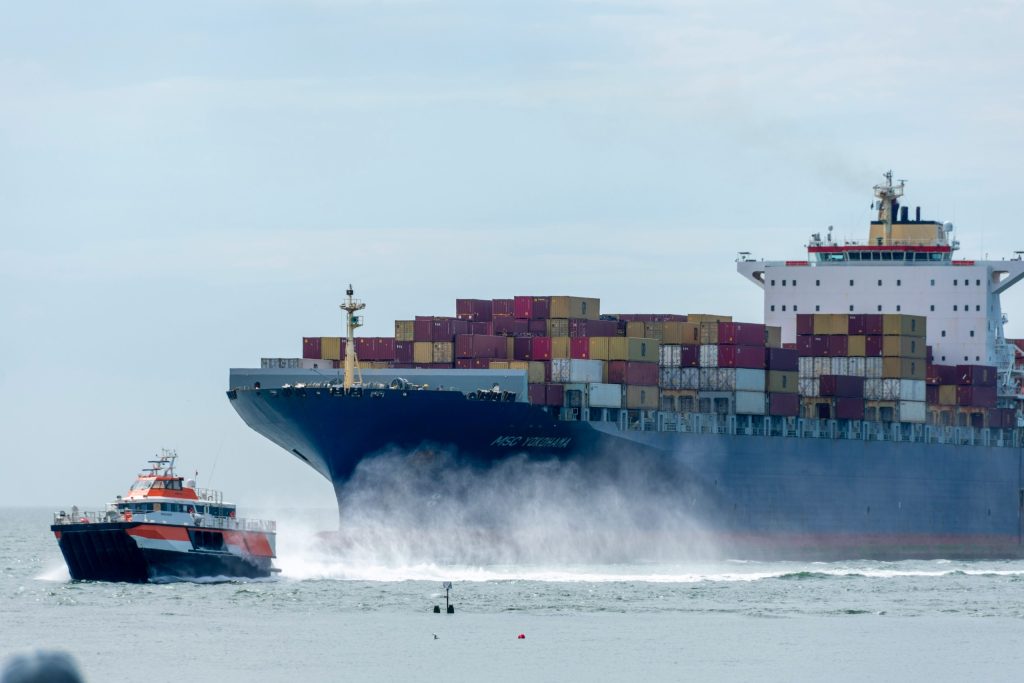
Maritime & Defence
Lab-grade analysis of fuel, lubricants and coolant on board — in minutes, by the crew you already have. No reagents, no shipment to shore.
Outcomes · figures to confirm before publishing
On board
One drop, one cuvette, one reading — for the fluids that keep a vessel running.
Density, contamination and blend consistency of bunker fuel before it reaches the engine.
Oxidation, water in oil and additive depletion, tracked per engine over time.
Glycol concentration, degradation and contamination, checked between services.
Turbidity and residual content, documented for port and flag inspections.
Hardness, chlorine and turbidity for crew and process supply.
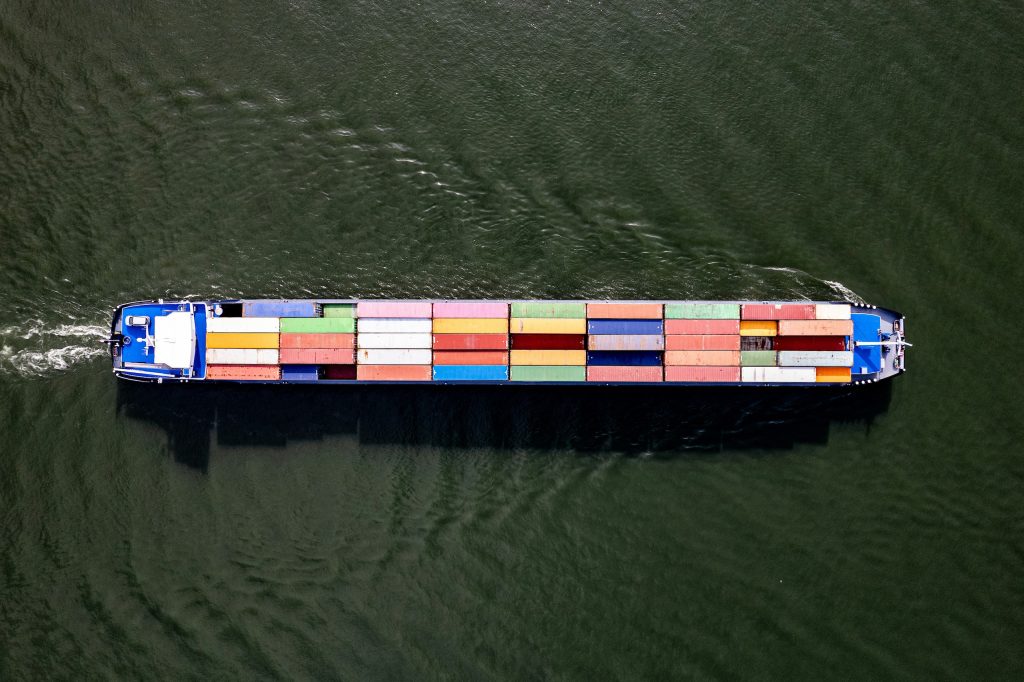
The same portable workflow for vessels and sites that cannot depend on a shore laboratory.
How it works
A crew member takes a drop of the fluid and places it in a SpectroCuvette™. The reading is made on a supported spectrophotometer, or on SpectroCase™, the rugged portable unit for vessels without a lab.
SpectroLink™ moves the spectrum to the cloud and SpectroWorks™ returns lab-grade properties in minutes — with a traceable record for every engine on every voyage.
Compare
Most fleets still send fluid samples to a central laboratory. Here is what changes when the measurement happens where the fluid is.
Equipment
A small kit that fits in a case and works with instruments many vessels already carry — or with SpectroCase™ where there is no instrument on board.
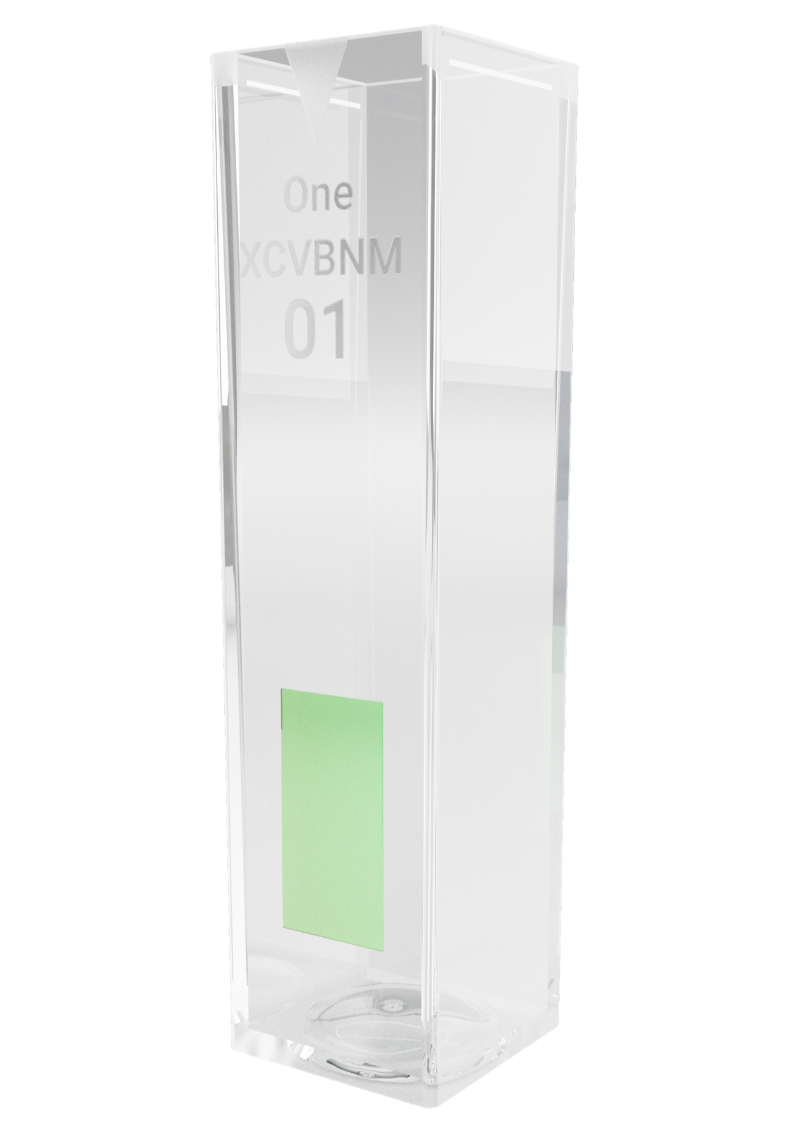
The consumable: one drop, lab-grade optics, no reagents.
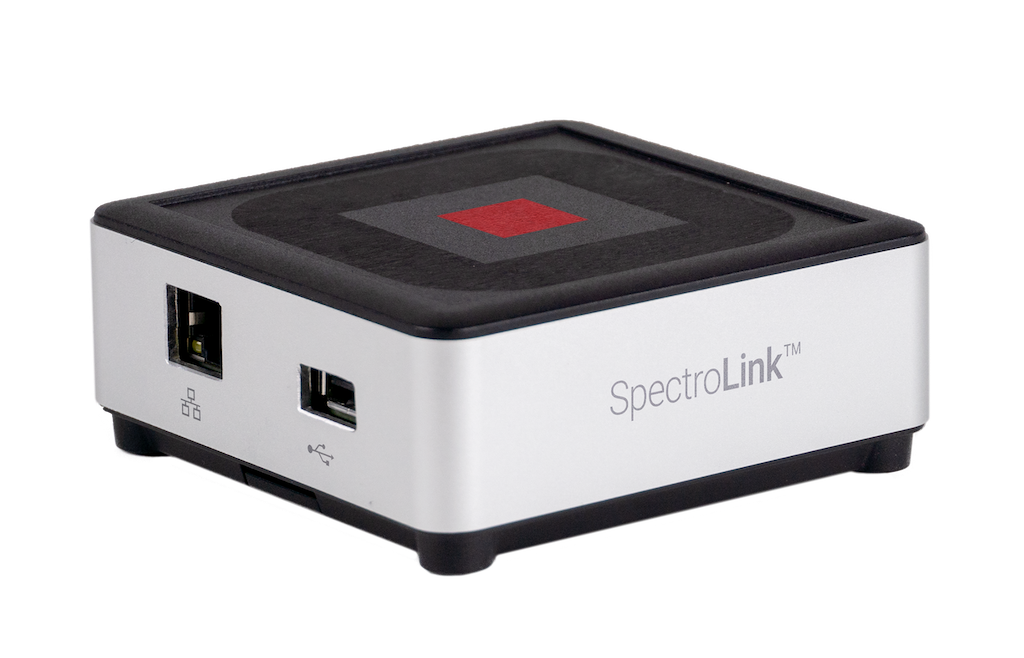
Connects the instrument to the cloud and streams every reading.
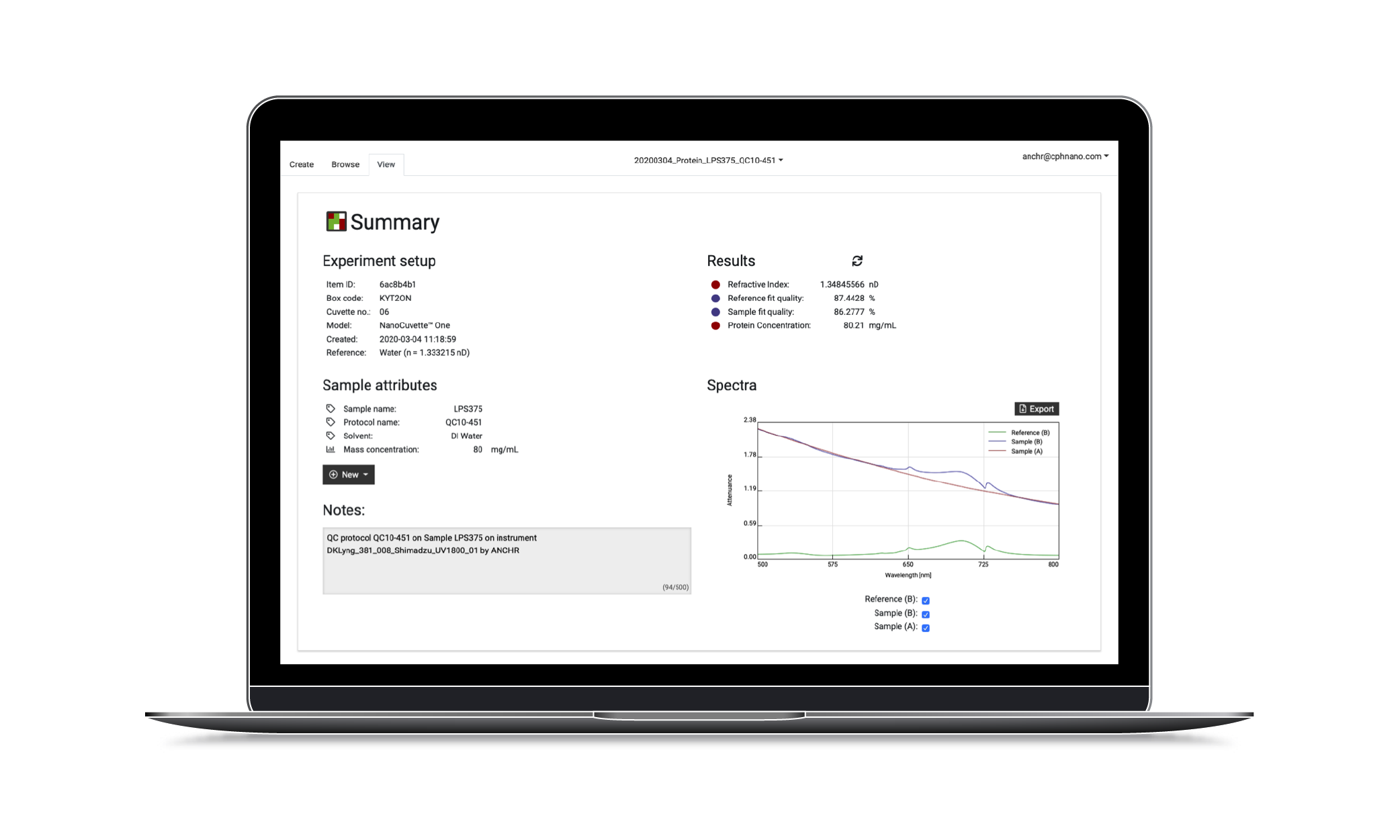
Trained models, results in minutes, full traceability.
The product ecosystem
One loop, from sample to decision. The platform upgrades traditional UV-Vis spectroscopy with new capabilities and performance.
Step 1 of 6
Any fluid, taken where it matters — on the vessel, at the line, in the field. No reagents, no pretreatment, no skilled operator.
Each new sample type widens the reference space the platform can recognise.
Step 2 of 6
A single drop goes into a patented nano-optical consumable. The cuvette itself carries the optics that turn a standard instrument into a multi-parameter analyser.
 SpectroCuvette™ One
 SpectroCuvette™ S
SpectroPlate96™ — coming soon
SpectroCuvette™ S
SpectroPlate96™ — coming soon
One consumable format scales from single samples to 96-well screening.
Step 3 of 6
Read it on any supported UV-Vis spectrophotometer — or on SpectroCase™, the rugged portable unit built for sites without a lab.
SpectroCase™ Supported instruments
Hardware-agnostic capture means the installed base becomes the network.
Step 4 of 6
SpectroLink™ lifts the spectrum straight off the instrument and into the cloud — acquisition, transfer and results in one uninterrupted workflow.
Every connected instrument streams structured data back to the core.
Step 5 of 6
SpectroWorks™ applies trained models to the spectrum and returns lab-grade fluid properties in minutes, with full traceability.
Models retrain on the growing measurement corpus — accuracy compounds.
Step 6 of 6
A decision on the spot: adjust the process, flag the batch, schedule the service. Minutes instead of a shipment to a central lab.
Verified outcomes close the loop and feed the next generation of models.
Questions
Any UV-Vis spectrophotometer on our supported list, or SpectroCase™ where there is no instrument on board. See the supported instruments.
No. A drop of fluid, a cuvette and a button. SpectroWorks™ handles the analysis and flags what needs attention.
Every reading is stored in SpectroWorks™ with full traceability. Talk to us about deployment options and the data-handling requirements of your platform.
Tell us how many vessels you run and which instruments are already on board, and we will propose a pilot and a rollout plan.
Talk to us
Vessels, fluids and the instruments you already carry — we will suggest a setup and a pilot.
 SpectroLink™
  SpectroWorks™